Understanding Human Metabolism

An exploration of the biochemical processes that convert food into energy and influence health.

What Is Metabolism?

Metabolism encompasses all the chemical processes occurring within your body to maintain life. These processes include building structures from nutrients, breaking down food for energy, eliminating waste, and regulating bodily functions. Metabolism is fundamentally the rate at which your body uses energy.

The term "metabolic rate" refers to the number of calories your body burns at rest and during activity. Understanding metabolism helps explain individual differences in energy needs, how weight changes occur, and why different people respond differently to similar nutritional and activity patterns.

The Three Components of Daily Energy Expenditure

Your total daily energy expenditure consists of three primary components:

  • Basal Metabolic Rate (BMR): The energy required to maintain basic bodily functions at rest—breathing, circulation, cellular function, and maintaining body temperature.
  • Thermic Effect of Food: Energy expended digesting, absorbing, and processing nutrients. This varies by macronutrient composition.
  • Activity Expenditure: Energy burned through intentional exercise and daily movement.

Metabolic Efficiency and Individual Variation

Metabolic rates vary significantly between individuals due to factors including age, sex, body composition, genetics, hormonal status, and physical activity levels. Muscle tissue is more metabolically active than fat tissue, meaning individuals with more muscle mass typically have higher metabolic rates.

Contrary to common misconceptions, metabolic adaptation to prolonged restriction occurs gradually and is often overstated. Research shows that while metabolic rate does adapt somewhat to energy restriction, the magnitude of this adaptation is typically modest.
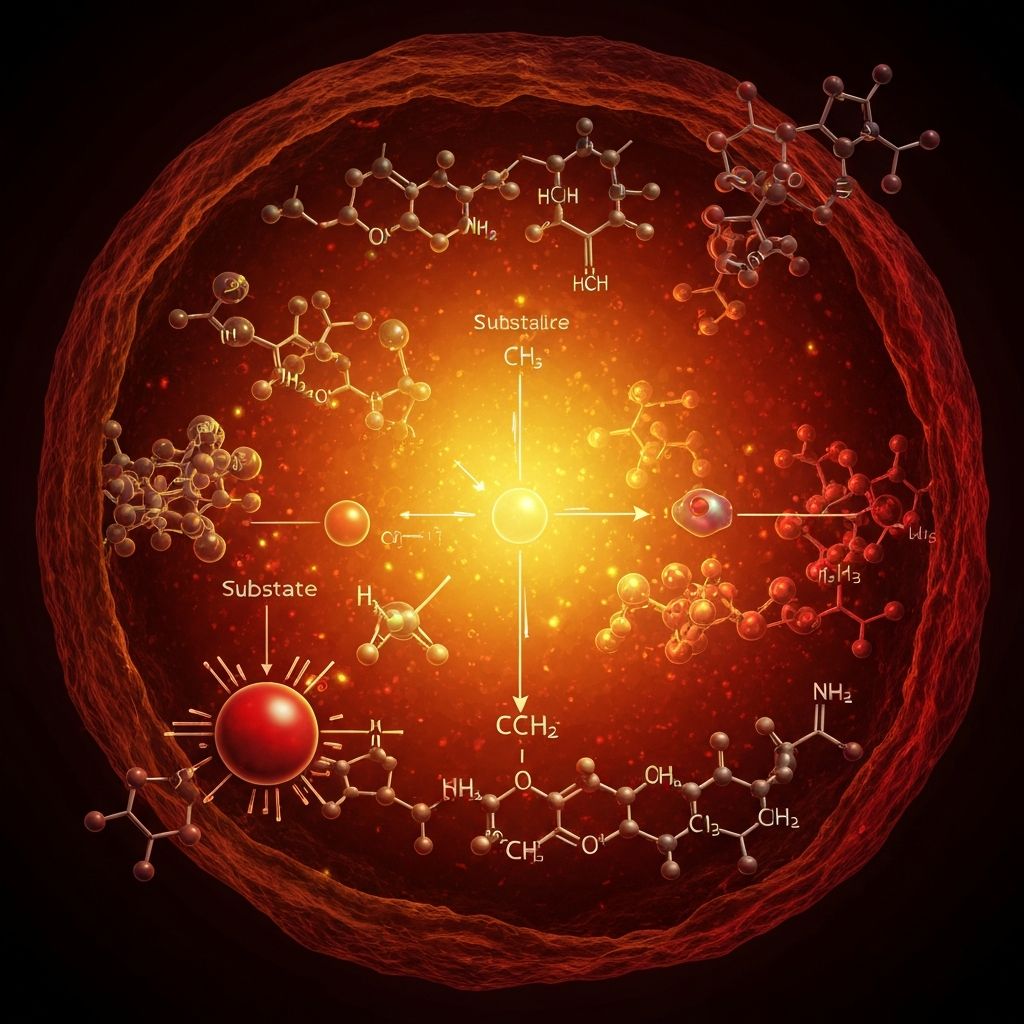
Metabolism illustration

Hormonal Regulation of Metabolism

Multiple hormones influence metabolic processes, including thyroid hormones, cortisol, insulin, leptin, and ghrelin. These hormones regulate energy storage, utilization, and appetite signals. Thyroid hormones, produced by the thyroid gland, are particularly important in determining metabolic rate.

Insulin, produced in response to carbohydrate intake, plays a crucial role in nutrient storage and utilization. Leptin and ghrelin signal satiety and hunger to the brain, influencing eating behavior. Understanding these hormonal systems helps explain why metabolism involves complex regulation rather than simple calorie mathematics.

Thyroid Function

The thyroid gland regulates metabolic rate through hormone production. Thyroid conditions can significantly affect energy metabolism and weight management.

Insulin Sensitivity

Insulin sensitivity refers to how effectively cells respond to insulin. This influences how efficiently nutrients are utilized and stored.

Key Metabolic Pathways

Anabolism (Building)

Anabolic processes build larger molecules from smaller ones, requiring energy. These include protein synthesis (building muscle tissue), glycogen synthesis (storing carbohydrates), and lipid synthesis. Anabolic processes are essential for growth, repair, and adaptation to exercise.

Catabolism (Breaking Down)

Catabolic processes break down larger molecules into smaller ones, releasing energy. These include the breakdown of glucose (glycolysis), fatty acids (beta-oxidation), and amino acids. Catabolism provides the energy for body functions and physical activity.

Carbohydrate Metabolism

Carbohydrates are broken down into glucose, which serves as the primary energy source for the brain and muscles. Glucose can be used immediately for energy, stored as glycogen, or converted to fat for long-term energy storage.

Fat Metabolism

Fats are broken down into fatty acids and glycerol. Fatty acids are a major fuel source, particularly during rest and low-intensity activity. The body maintains fat stores for energy security and other vital functions.

Protein Metabolism

Dietary protein is broken down into amino acids, which are used to build and repair tissues, create enzymes and hormones, and can be used for energy when carbohydrate and fat sources are insufficient.

Factors That Influence Metabolic Rate

Age & Sex

Metabolic rate typically decreases with age, while men generally have higher metabolic rates than women due to higher muscle mass percentages.

Body Composition

More muscle tissue increases metabolic rate. This is why physical activity, which builds and maintains muscle, influences overall energy expenditure.

Genetics

Genetic factors influence baseline metabolic rate and how efficiently different individuals utilize nutrients and build muscle.

Environmental Factors

Temperature exposure, altitude, and climate influence metabolic rate as the body works to maintain homeostasis.

Nutritional Status

Adequate nutrition supports normal metabolic function. Severe restriction can lead to adaptive changes in metabolic rate.

Physical Activity

Both immediate activity and long-term training that builds muscle mass increase metabolic rate.

Metabolism: Complex and Individual

Metabolism is a complex system influenced by genetics, hormones, body composition, and lifestyle factors. While the fundamental principle of energy balance—calories in versus calories out—is scientifically accurate, metabolism is more sophisticated than simple arithmetic. Individual metabolic differences, hormonal regulation, nutrient quality, and lifestyle factors all play important roles in health outcomes.

Understanding these metabolic principles helps explain why sustainable approaches that account for individual biology and lifestyle tend to be more effective than restrictive approaches that ignore metabolic complexity.

Back to Blog