Energy Balance and Weight Management

Understanding the principle of energy balance and its role in body composition changes.

The Principle of Energy Balance

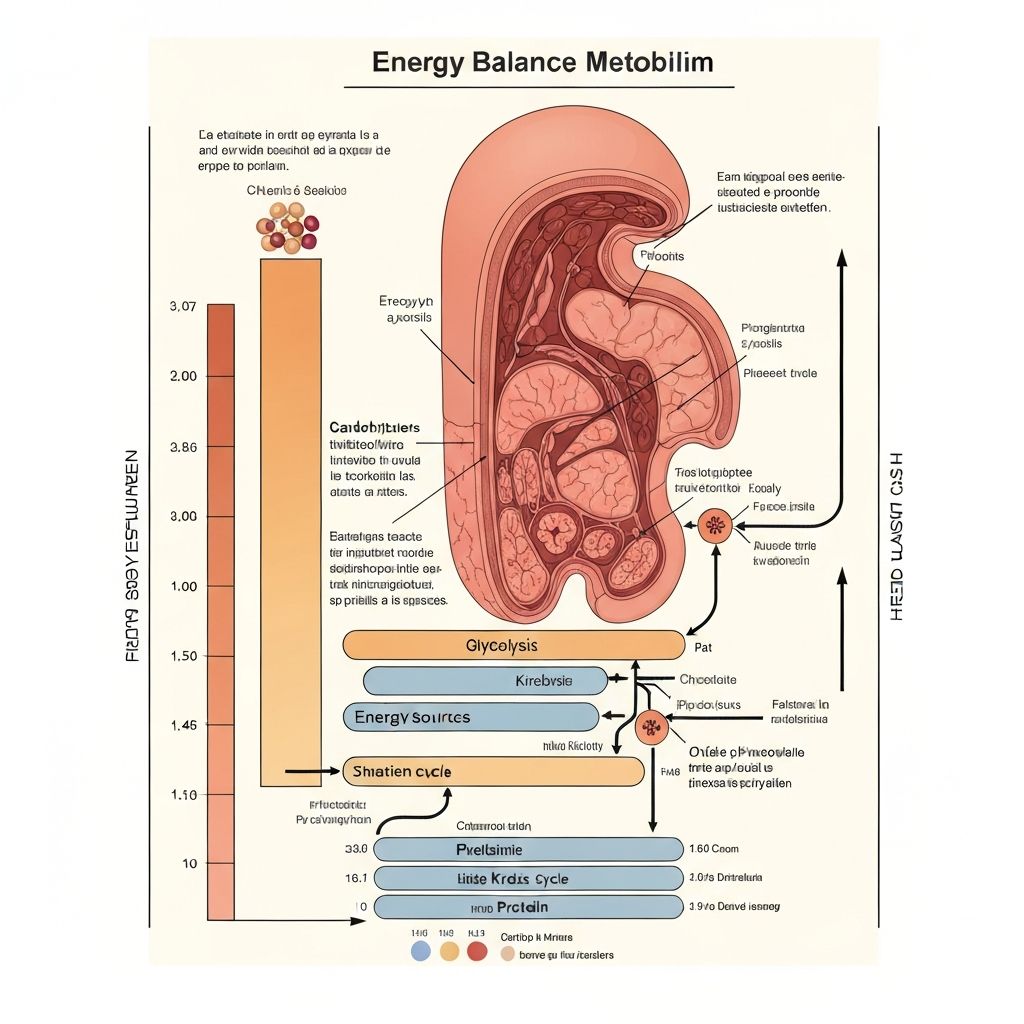
Energy balance is the relationship between calories consumed (energy in) and calories expended (energy out). This fundamental principle helps explain how body weight changes over time. When energy intake exceeds expenditure, the body stores excess energy as fat. When expenditure exceeds intake, the body draws on stored energy, leading to fat loss and potential muscle loss.

Energy balance remains central to scientific understanding of body weight changes. However, the practical application of this principle is more complex than simple arithmetic, as energy intake, expenditure, and storage are influenced by numerous biological and behavioral factors.
Energy balance

Components of Daily Energy Expenditure

Total daily energy expenditure (TDEE) consists of three main components:

Basal Metabolic Rate

Energy expended at rest for essential bodily functions—breathing, circulation, temperature regulation, and cellular processes. BMR is the largest component of daily expenditure for most people.

Thermic Effect of Food

Energy expended digesting, absorbing, and processing nutrients. Different macronutrients require different amounts of energy to process, with protein having the highest thermic effect.

Activity Expenditure

Energy expended during intentional exercise and daily movement. This varies greatly based on lifestyle, occupation, and exercise habits.

Body Composition vs. Weight

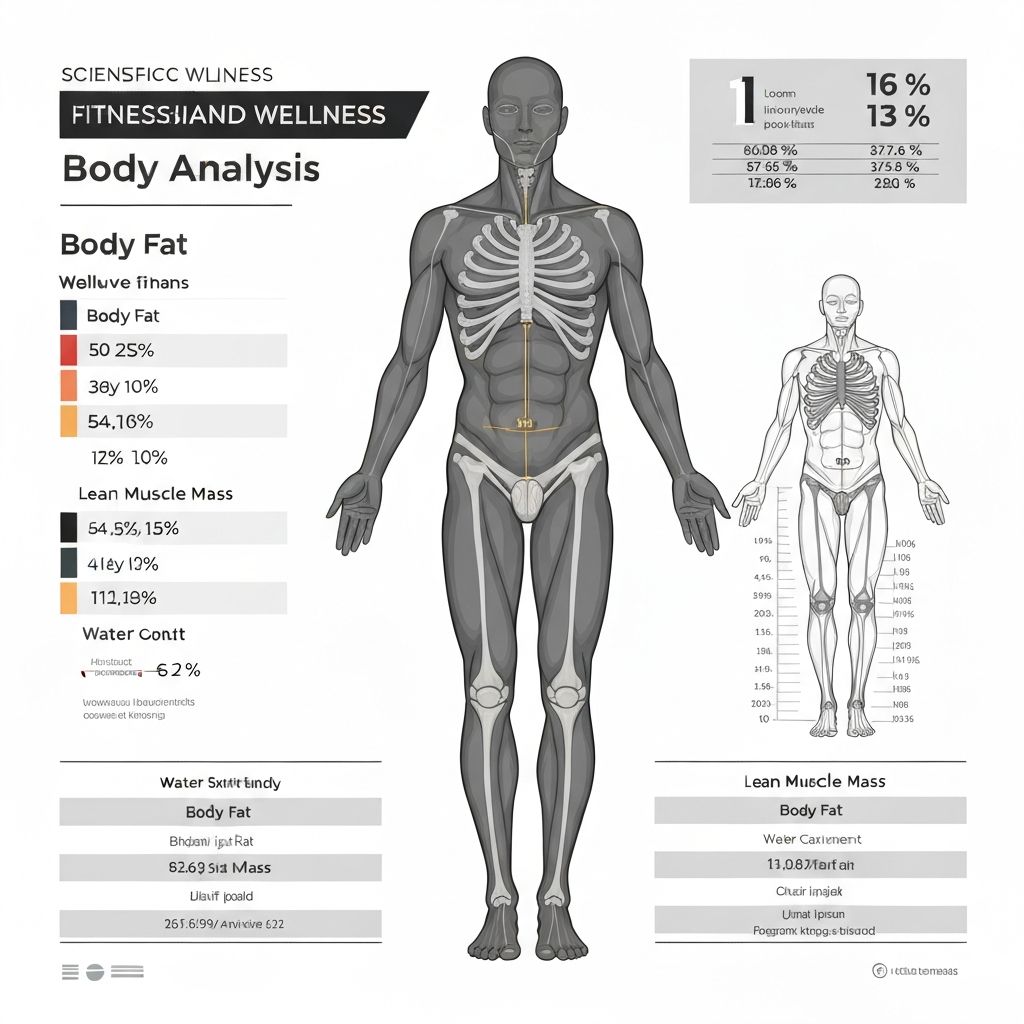
Body weight alone does not indicate health or body composition. Weight includes muscle, bone, organs, water, and fat. Changes in body weight reflect changes in total body mass, which may include simultaneous changes in multiple tissues.

Why Composition Matters

Two individuals at the same weight can have vastly different body compositions. Someone with high muscle mass at a given weight will have different metabolic characteristics and physical capabilities than someone with high fat mass at the same weight.

This is why body composition—the ratio of fat to muscle—is a more meaningful health marker than weight alone. Approaches that preserve or build muscle while reducing fat tend to produce better long-term health outcomes than those that focus solely on weight reduction.

Body composition

Metabolic Adaptation and Energy Regulation

The human body possesses sophisticated mechanisms to regulate energy balance. When energy availability decreases significantly, the body makes various adaptations to conserve energy—including decreased metabolic rate, reduced spontaneous activity, and altered hormone production (increased hunger signals, decreased satiety signals).

These adaptations occur gradually and are proportional to the degree of energy deficit. Modest energy deficits produce minimal metabolic adaptation, while severe restriction produces more pronounced adaptive changes. This is why sustainable, moderate approaches tend to produce better long-term results than extreme restriction.

Hormonal Regulation

Multiple hormones influence energy balance. Leptin, produced by fat tissue, signals energy stores to the brain and influences hunger and expenditure. Ghrelin signals hunger to the brain. Insulin influences nutrient storage and utilization. These hormonal systems create feedback loops that work to maintain energy homeostasis, which explains why dramatic weight loss becomes progressively more difficult.

Creating Sustainable Energy Deficits

Modest vs. Extreme Deficits

Modest energy deficits (300-500 calories daily) are sustainable and produce gradual body composition changes. Extreme deficits are difficult to maintain and often produce adaptive metabolic changes and muscle loss.

Protein's Role

Adequate protein intake is particularly important in energy deficit, as it supports muscle preservation and has a higher thermic effect than other macronutrients.

Practical Considerations Beyond Calories

While energy balance remains fundamental, research confirms that other factors influence outcomes:

Various Approaches to Weight Management

Different approaches to managing body weight—whether through calorie counting, macronutrient distribution, food quality emphasis, intermittent fasting, or structured meal planning—have demonstrated effectiveness for weight loss. However, all effective approaches fundamentally involve creating an energy deficit.

Research suggests that the best approach is one that an individual can maintain long-term while supporting good nutrition, energy levels, and overall health. Individual preferences, lifestyle, and metabolic responsiveness influence which approach works best for any given person.

Energy Balance in Context

Energy balance is a true principle that explains how body weight changes. However, sustainable body composition management involves more than simple calorie mathematics. Adequate nutrition, physical activity, sleep, stress management, and individual-specific approaches tend to produce better health outcomes than extreme restriction based purely on caloric calculations.

Understanding energy balance provides the foundation for informed decisions about nutrition and activity. Applying this understanding in a balanced, sustainable way—maintaining adequate nutrition while creating moderate deficits or surpluses—supports both body composition goals and overall health.

Back to Blog